Key Points
- Mid-afternoon stiffness is often linked to remaining in one posture for too long, rather than to sitting itself.
- Short, gentle movement breaks throughout the day are usually more helpful than one intense stretching session in the evening.
- Tai Chi, Qigong, Taoist Yoga, breathing exercises and meditation can help you develop more movement variety, awareness and ease.
- Feng Shou, or Hand of the Wind Kung Fu, offers a more dynamic option, including shadow-boxing-style practice for strength, stamina and mental sharpness.
- Sea Cloud Hall in Kirkstall offers welcoming classes for Leeds professionals, students and beginners of all ages.
Why do your joints ache by 3pm?
If your neck, shoulders, hips or lower back feel stiff by the middle of the afternoon, the main issue may not be that your chair is “bad” or that your body is failing. Often, the more important factor is that your body has stayed in almost the same position for several hours.
A typical day might involve commuting, sitting at a desk, attending a lecture, working in a library, looking down at a phone and then sitting again on the journey home. Even when the posture is reasonably comfortable, remaining still for too long reduces movement variety and can leave muscles working continuously in the background.
This is why a person can feel stiff after a full day of sitting but not after a day that involved similar amounts of standing, walking and changing position.
Research on office workers has linked prolonged, static sitting with increased neck and lower-back discomfort. Recent reviews also suggest that active breaks involving standing, walking or light movement are more useful than simply pausing work without changing the body’s position.
The practical answer is not to stretch harder. It is to move more often.
Is sitting itself the problem?
Sitting is not automatically harmful. It is a useful position for reading, working, travelling and resting. The difficulty comes when sitting becomes a fixed state that continues for hours without interruption.
A workstation adjustment can help. Raising a screen, supporting your feet and arranging your keyboard comfortably may reduce unnecessary strain. However, even a well-designed desk cannot replace regular changes of position.
A helpful question is not, “What is the perfect posture?” Instead, ask, “How many different postures and movements can I include before my body starts complaining?”
This is the principle behind our approach at Sea Cloud. The aim is not to hold yourself rigidly upright all day. It is to develop enough awareness and mobility to notice when you have become fixed, then make a calm adjustment.
Why is gentle movement better than occasional intense stretching?
After several hours at a desk, it is tempting to perform a long, forceful stretching routine. Sometimes this feels relieving, but intense stretching is not always the best response to stiffness caused by prolonged stillness.
A forceful stretch can encourage bracing, breath-holding or the belief that discomfort means the exercise is working. If the body is already tired or irritated, pushing further may make you feel worse.
Gentle, consistent movement offers a different approach. You might circle the shoulders, turn the spine comfortably, shift weight between the feet or allow the arms to move with the breath. None of these actions needs to be dramatic.
The goal is to remind the joints and muscles that they are not required to remain in one shape. As we often say in class, mobility is not only about how far you can stretch; it is also about how freely you can move between positions.

How can Taoist Arts help desk workers and students?
The Lee Family Taoist Arts combine movement, breathing, awareness and philosophy. Different practices offer different ways to undo the effects of a long day of sitting.
Tai Chi: can slow movement restore variety?
Tai Chi uses flowing sequences that involve the whole body. Weight shifts, relaxed turns and coordinated arm movements encourage you to move through positions that are very different from typing or reading.
The practice is gentle, but it is not passive. Your legs, waist, spine, arms and attention work together. Over time, this can support balance, coordination and confidence in movement.
For a young professional, Tai Chi can provide a useful transition between work and home. For a student, it can create a physical break from long hours in a lecture theatre or library.
Qigong: can breathing and movement settle tension?
Qigong combines simple movement with breathing and focused attention. Many exercises can be practised standing, making them suitable for a short break when you do not have space for a full class.
In traditional Taoist language, Qigong cultivates and balances Qi, or life energy. From a modern movement perspective, students may experience the practice as improved body awareness, calmer breathing and less unconscious muscular tension.
These are different ways of describing the same experience, and they should not be confused. Traditional ideas about Qi and meridians belong to a Taoist and Chinese medicine framework; they are not medically measurable structures in the same way as bones, muscles or blood vessels.
You can learn more about Lee Family Qigong and how it combines movement, breath and meditation.
Lee Family Taoist Yoga: does flexibility have to be forced?
Lee Family Taoist Yoga, also known as Kai Men or Open Door Yoga, uses flowing postures, breathing and relaxation. It is not based on achieving a particular shape or competing for the deepest stretch.
This makes it especially relevant if your body feels stiff after sitting, driving, studying or looking down at a phone. The emphasis is on creating space through movement while staying within a comfortable range.
Read Forget what you know about Yoga: Meet Kaimen, Open Door Taoist Yoga for a closer look at the practice.
Meditation and breathing: can stillness help after too much stillness?
It may seem strange to recommend meditation when sitting is part of the problem. The difference is that meditation is not simply another fixed posture. It develops awareness of breathing, tension, attention and the impulse to remain stuck.
At Sea Cloud, meditation can include seated practice and moving meditation. A short breathing practice after standing up can help mark the change between work and rest, or between one period of study and the next.

Feng Shou Kung Fu: what if you want something more dynamic?
Feng Shou, or Hand of the Wind Kung Fu, is the Yang side of the Lee Family system. Its circular movements, footwork and partner exercises develop coordination, timing and adaptability.
Some cardio-style Feng Shou training has a similar role to shadow boxing: you move through strikes, defences and combinations without needing to hit a heavy bag. This can be a practical way to build stamina and strength while sharpening your ability to respond and change direction.
For people in their forties, fifties and beyond, this offers a more engaging alternative to repetitive gym routines. It can support physical strength, cardiovascular effort and mental alertness, but it should be approached progressively. If you are very stiff or returning after an injury, a Tai Chi, Qigong or Taoist Yoga class may be the better starting point.
You can read more about Feng Shou Kung Fu.
What can you do during a working or study day?
Try making movement part of your schedule rather than waiting until discomfort appears.
- Every 30–60 minutes: stand up, walk briefly or change your working position.
- For one minute: let the shoulders soften and make slow, comfortable arm circles.
- For three breaths: turn your head gently from side to side without forcing the range.
- While standing: shift your weight between your feet and notice whether you are gripping your knees or shoulders.
- Between tasks: take a short walk instead of moving straight from one screen to another.
- During revision: change location or posture when you finish a chapter, question set or study block.
The exact timing matters less than consistency. A two-minute movement break repeated several times is generally more realistic and sustainable than promising yourself a demanding hour-long routine at the end of the day.
In Taoist philosophy, Yin and Yang describe complementary phases: stillness and movement, rest and activity, softness and strength. A healthy day needs both. Wu Wei, often translated as “effortless action”, does not mean doing nothing. It means avoiding unnecessary force and responding to what the body actually needs.
Is Sea Cloud Hall suitable if you are stiff or inexperienced?
Yes. Sea Cloud’s Leeds classes welcome beginners and people with different levels of fitness and mobility. You do not need to be flexible before starting Tai Chi, Qigong or Taoist Yoga.
Classes take place at Sea Cloud Hall in Kirkstall, a short distance from Headingley and Leeds city centre. The hall is accessible by public transport, with free parking nearby, making it practical for people travelling from Burley, Horsforth, Hyde Park and other parts of Leeds.
The atmosphere is friendly and non-competitive. Wear loose clothing and comfortable indoor trainers or pumps. If you have persistent pain, a recent injury, a diagnosed joint condition or concerns about balance, speak with an appropriate healthcare professional and tell your teacher before joining.
Frequently asked questions
Can Tai Chi remove joint pain caused by sitting?
Tai Chi is not a guaranteed treatment for joint pain, and aches can have many causes. However, gentle movement may help reduce the effects of prolonged stillness and improve awareness of how you use your body.
Should I stretch if I feel stiff?
Gentle mobility may feel helpful, but avoid forcing a painful range or holding your breath. If stiffness follows hours in one position, changing position, walking and moving lightly may be more appropriate than an intense stretch.
Is Qigong suitable during exam revision?
Yes. Qigong can be practised in short periods and does not require special equipment. A few minutes of breathing and movement may provide a useful physical reset, alongside sleep, regular meals and sensible study breaks.
For more practical student guidance, see the Leeds University Tai Chi, Taoist Yoga, Qigong and Kung Fu class.
Is Feng Shou suitable for someone who has not boxed before?
You do not need boxing experience, but Feng Shou is more dynamic than Tai Chi or Qigong. Beginners are taught progressively, and anyone returning to exercise should choose an appropriate class and discuss limitations with the teacher.
Do I need perfect posture at my desk?
No. There is no single posture that prevents all discomfort. A reasonably arranged workstation helps, but frequent movement and changing position are usually more important than trying to sit rigidly upright for hours.
What does the evidence say?
Scientific evidence: Studies of office workers consistently associate prolonged, uninterrupted sitting with increased musculoskeletal discomfort, particularly in the neck and lower back. Reviews also suggest that active breaks, light walking, standing and gentle exercises can produce modest improvements, especially when combined with ergonomic changes.
- European Agency for Safety and Health at Work: prolonged static sitting and musculoskeletal disorders
- Recent research and reviews on sitting, movement breaks and musculoskeletal discomfort
- Review of sedentary behaviour and musculoskeletal pain
Traditional Taoist understanding: Taoist Arts describe health through concepts including Qi, Yin-Yang balance, naturalness and Wu Wei. These ideas guide the practice but should not be presented as replacements for medical assessment or treatment.
Sea Cloud teaching experience: Students often report feeling more mobile, settled or energised after moving practice. These observations are valuable, but they are not the same as controlled clinical evidence and will not be identical for everyone.
Related reading
- Tai Chi
- Taoist Yoga
- Meditation
- Find a class in Leeds
- First class information and the Leeds beginners’ course
If the Sea Cloud articles titled Sitting at a Desk All Day, Too Stiff for Tai Chi?, Exam Biohacking 101, Tai Chi Classes in Leeds: 10 Things, Burnout Isn’t a Badge of Honour and First Class at Sea Cloud Hall are available in your WordPress library, they would make useful additional links from this article.
A calmer way to finish the day
The most useful response to a stiff afternoon is rarely to punish the body with harder exercise. It is to interrupt long periods of stillness with small, comfortable movements and to practise regularly enough that movement becomes part of ordinary life.
Tai Chi, Qigong, Taoist Yoga, meditation, breathing exercises and Feng Shou each offer a different way to develop this balance of stillness and activity.
To explore the practices in person, view the current Leeds classes and beginners’ options at Sea Cloud Hall.
#TaoistArts #TaiChiLeeds #Qigong #MindfulMovement #LeedsClasses
Publishing details
Meta Title: Why Your Joints Ache by 3pm: Taoist Arts in Leeds
Meta Description: The key points in this article are: 1. Mid-afternoon stiffness is often linked to staying in one posture too long. 2. Gentle movement breaks can be more helpful than intense stretching. 3. Tai Chi, Qigong, Taoist Yoga and Feng Shou support varied movement, breathing and awareness. 4. Sea Cloud Hall offers welcoming Leeds classes for beginners.
Focus Keyword: Taoist Arts Leeds for desk workers
Suggested Permalink: why-your-joints-ache-by-3pm-taoist-arts-leeds
Excerpt: The key points in this article are: 1. Desk workers and students often feel stiff because they remain in one posture for too long. 2. Frequent, gentle movement is usually more sustainable than occasional intense stretching. 3. Tai Chi, Qigong, Taoist Yoga, meditation, breathing exercises and Feng Shou offer practical ways to restore movement and focus. 4. Sea Cloud Hall in Kirkstall welcomes beginners to Leeds classes.
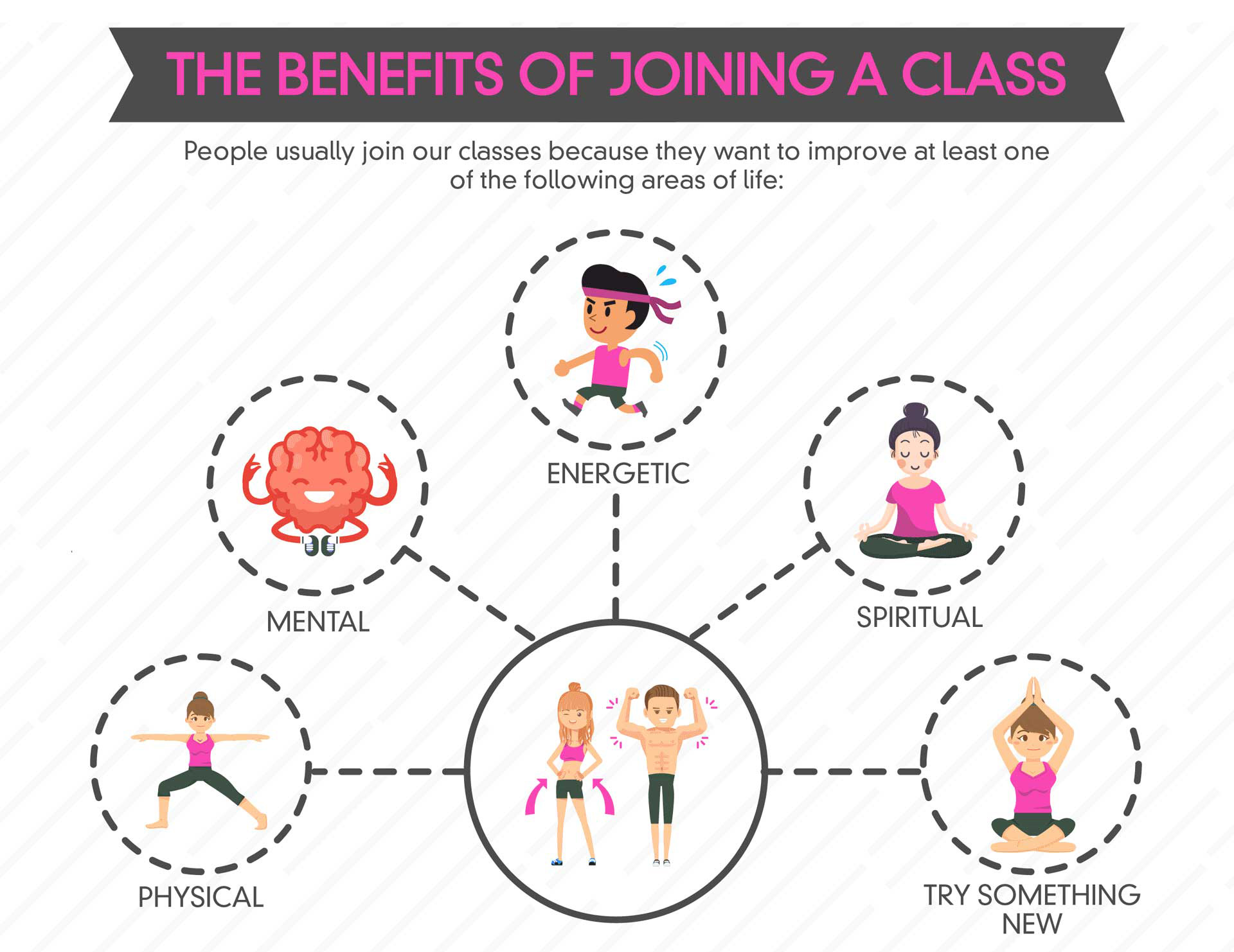
Featured Image Suggestion: Use the authentic Sea Cloud Hall class photograph showing students practising Tai Chi together: The Benefits of Joining a Class.
Category: Leeds Classes
Schema Type: Article